Inside India’s 15-minute cities, where work, school and shopping sit close to home
Indian developers are selling a simple idea with a big promise: daily life should fit inside a short walk or drive. The pitch is reshaping how new housing projects are planned, and what buyers are being asked to pay for.

NewX Editorial · Editorial Desk NewX uses AI tools to help research, draft and translate stories. Read our Editorial Policy →
Published:
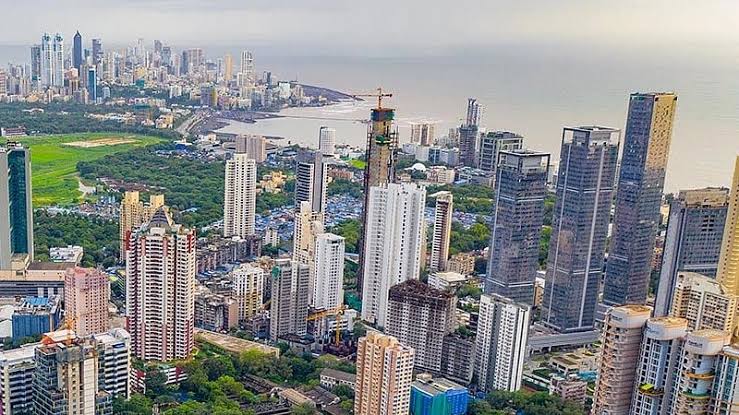
India’s newest housing projects are being sold with a promise that sounds almost old-fashioned: keep daily life close to home. In these so-called 15-minute cities, the office, school, mall, clinic and gym are all meant to sit within a short radius of each other.
The idea is showing up most clearly in modern housing societies and integrated townships, where developers are packaging homes, offices and shops into one planned zone. For buyers, that means fewer long trips across crowded roads. For builders, it has become a selling point in a hot real estate market.
What the 15-minute city pitch means
The phrase refers to a neighbourhood designed so that a resident can reach everyday needs quickly, usually on foot or with a short drive. It is not a new urban theory, but Indian developers are giving it a local, commercial twist.
Instead of a single apartment block surrounded by separate services, these projects try to fold daily life into one compact area. A resident may live in one tower, work in another part of the same complex, send children to school nearby and shop without crossing half the city.
That convenience matters in cities where commutes eat up hours and traffic has become part of the daily cost of living. Developers say the model answers that frustration by shrinking the distance between work, errands and home.
Why builders are leaning into integrated townships
Integrated townships have been around for years, but the current version is more ambitious. Builders are selling not just housing, but a full routine, with offices, retail, recreation and education folded into one address.
The appeal is easy to see. Families want shorter commutes, more predictable routines and the sense that everything they need is within reach. Companies also like the idea of office space attached to larger residential catchments.
There is also a clear business reason behind the trend. In premium housing markets, projects that promise convenience and a self-contained lifestyle can command stronger interest from buyers looking for more than just square footage.
- Core promise: daily needs within a short distance
- Main setting: modern housing societies and integrated townships
- Big draw: less time spent travelling across the city
- Market angle: convenience has become a sales feature
Why the model is catching on now
The rise of these projects reflects a bigger shift in how urban Indians think about home. Buyers are no longer looking only at the apartment itself. They are asking what sits around it, how long the commute is and whether a neighbourhood can make everyday life easier.
That shift has helped turn the 15-minute city from a planning slogan into a real estate pitch. In many new developments, the message is simple: if you can live, work, study and shop in one radius, you can spend less time stuck in transit and more time at home.
For cities strained by congestion and long travel times, that promise carries obvious appeal. The question is whether these tightly planned zones will remain practical for ordinary residents, or whether they will stay mainly a feature of high-end projects aimed at affluent buyers.
What it means for urban India
The spread of these projects says as much about the pressures of Indian city life as it does about changing tastes in housing. Long commutes, mixed land use and rising demand for convenience are pushing developers to rethink how neighbourhoods are built.
For now, the 15-minute city is less a finished urban model than a powerful sales idea. It offers a neat answer to a very old problem: how to make a big city feel smaller, at least for the people who live inside its newest private enclaves.
Sources
Frequently asked questions
What is a 15-minute city in this article’s terms?
It is a neighbourhood designed so that a resident can reach everyday needs quickly, usually on foot or with a short drive. In these projects, daily life is meant to be concentrated within one compact area.
Where is this idea showing up in India?
It is showing up most clearly in modern housing societies and integrated townships. Developers are packaging homes, offices and shops into one planned zone.
Why are developers promoting this model now?
They say it responds to long commutes, crowded roads and the wish for more predictable routines. It is also a sales feature in premium housing markets where convenience can attract buyers.
Who is the model mainly aimed at?
The article says these tightly planned zones may stay mainly a feature of high-end projects aimed at affluent buyers. It also notes that companies like the idea of office space attached to larger residential catchments.
What problem is the pitch trying to solve?
It is meant to shrink the distance between work, errands and home so people spend less time in transit. The article says it is a neat answer to the problem of making a big city feel smaller.
Related
Ofgem’s lower standing charges plan may ease some bills, but it will not fix the deeper pressures weighing on Burnham’s growth pitch
Britain’s regulator is forcing suppliers to offer lower standing charge tariffs from January 2026, yet the change is expected to shift costs rather than cut total bills, just as inflation, cold weather and uneven regional growth keep squeezing households and cities outside the South.

Trump cites India, says lower rates could lift U.S. growth to 14% or 15%
The U.S. president used a White House briefing to argue that cheaper borrowing costs and faster trade deals could push American growth far above current levels. He also pointed to fresh agreements with Thailand and the Philippines and said more were on the way.

RBI warns cloud and tech concentration could turn one outage into a wider banking shock
Deputy governor Rohit Jain said banks are leaning on a small set of cloud, technology and model providers, creating a risk that disruption at one vendor could spread across multiple institutions.

Government signals higher ethanol blends for cars will be tied to flex-fuel vehicles
Tarun Kapoor says India has already reached the E20 stage and any move beyond that is likely to be limited to flex-fuel vehicles, while the government looks for new uses for surplus ethanol.

No comments yet
Be the first to comment.
Join the conversation