US and Iran drop in-person signing plan as talks move to an electronic deal
Washington and Tehran are trying to lock in a fast-moving agreement without a public ceremony, even as both sides give different accounts of what has been settled. The shift comes with President Donald Trump set to leave for the G7 on Monday and mediators worried that delays could unravel the talks.

NewX Editorial · Editorial Desk NewX uses AI tools to help research, draft and translate stories. Read our Editorial Policy →
Published:
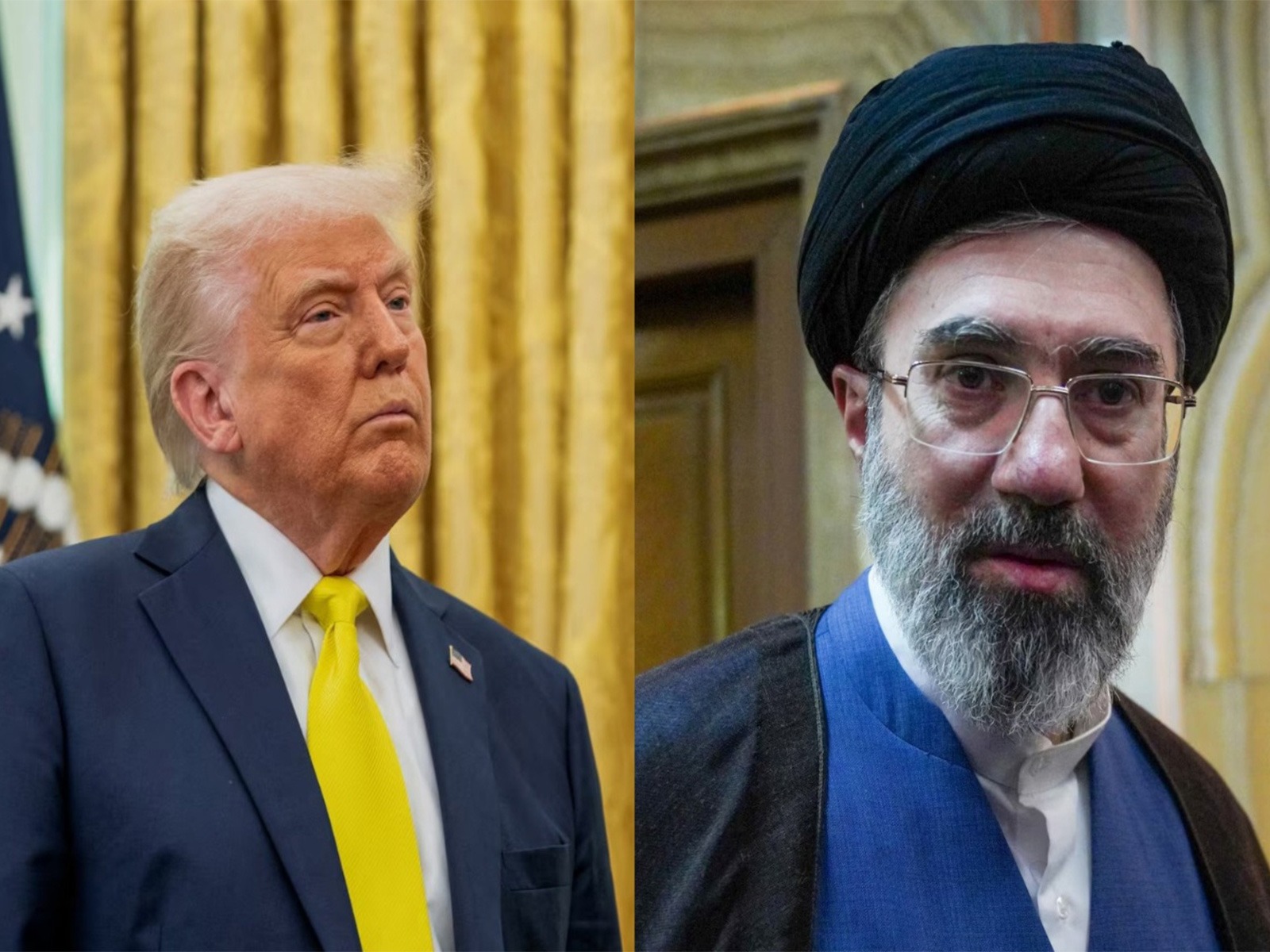
The United States and Iran have scrapped plans for an in-person signing of their latest agreement, a sign that the talks are moving quickly but still sit on shaky ground. Instead of a face-to-face event, the two sides are now working toward an electronic signing after days of conflicting public statements from Washington and Tehran.
President Donald Trump said on Saturday that the deal was set to be signed on Sunday and linked it to the reopening of the Strait of Hormuz. Iran’s Islamic Revolutionary Guard Corps pushed back almost at once, saying no Sunday signing had been scheduled and accusing Trump of fixating on the date.
Why the signing changed
The abandoned ceremony was supposed to be a visible sign that the agreement had landed. Last week, Trump said he expected the signing to happen in Europe, with Vice President JD Vance representing the United States.
That plan never came together. Officials familiar with the matter told CNN the shift was driven by scheduling and security constraints. The president and vice president do not travel overseas at the same time, and Trump is due to leave early Monday for the G7 summit in France.
That made it hard to get Vance to Europe and back before the president’s own trip. An electronic signing became the quicker option, with mediators pushing to close the gap before anything else went wrong.
What the agreement would do
If the memorandum of understanding is signed, it would open a new 60-day round of talks on how to carry out the deal, according to a US official cited by CNN. That makes the document less a final settlement than a starting point for the next stage.
Even so, the public messaging has been far from aligned. Washington and Tehran have described the contents differently, including the amount of financial relief Iran would receive. That leaves open a basic question: are the two governments only presenting the deal differently in public, or do they still disagree on terms that could sink it?
- In-person signing dropped: the deal is now moving toward an electronic format.
- Mixed signals: Trump said Sunday was the target, while Iran denied that any such plan existed.
- Next step: signing the memorandum would launch 60 days of further talks.
- Open issue: the two sides still give different accounts of the deal’s substance.
Pressure from the calendar
The timing matters. Trump leaves for France on Monday, and on Tuesday he is scheduled to join a working lunch with G7 leaders and leaders from the Middle East. That leaves little room for a drawn-out diplomatic process.
That pressure is one reason mediators want the agreement locked in fast. The longer it stays unsigned, the greater the risk that something interrupts the process or that one side pulls back.
Behind the scenes, other governments are also watching the talks closely. British Prime Minister Keir Starmer spoke with Trump on Saturday about ending the conflict with Iran and said any deal needs to produce lasting peace.
Qatar has been active too. Its prime minister spoke with his counterpart in Pakistan and backed Islamabad’s role in helping mediate the US-Iran discussions.
What makes the talks fragile
The central problem is not just the format of the signing. It is that the two sides still appear to be telling different stories about the same agreement, and those differences matter when the document is only a memorandum and not a final peace deal.
For now, both governments seem eager to avoid a public collapse. But the rushed move to an electronic signing, the denied Sunday date and the competing explanations all suggest a process that is still very much in motion.
Sources
Frequently asked questions
Why was the in-person signing plan dropped?
Officials familiar with the matter said the change was driven by scheduling and security constraints. Trump is due to leave early Monday for the G7 summit in France, and the president and vice president do not travel overseas at the same time.
What did Donald Trump say about the timing of the deal?
Trump said on Saturday that the deal was set to be signed on Sunday and linked it to the reopening of the Strait of Hormuz. Iran’s Islamic Revolutionary Guard Corps said no Sunday signing had been scheduled.
What would the memorandum of understanding do if it is signed?
According to a US official cited by CNN, it would open a new 60-day round of talks on how to carry out the deal. The article says that makes it more of a starting point than a final settlement.
What is still unresolved between Washington and Tehran?
The two governments have described the contents differently, including the amount of financial relief Iran would receive. The article says it is still unclear whether they are only presenting the deal differently in public or still disagree on terms.
Who else has been involved in the wider diplomatic effort?
British Prime Minister Keir Starmer spoke with Trump on Saturday about ending the conflict with Iran and said any deal needs to produce lasting peace. Qatar has also been active, with its prime minister backing Pakistan’s role in helping mediate the US-Iran discussions.
Related
Tajikistan moves to quit the ICC as pressure on the court deepens
Dushanbe has notified the United Nations that it will leave the Rome Statute, joining a string of departures that have piled pressure on the International Criminal Court and raised fresh questions about its future.
Ukraine Says It Sank Russian Warship Off Libya, Opening a New Front in the Maritime War
Kyiv says seven naval drones hit the Merkury near Benghazi, a strike that Libya says damaged the vessel and triggered a fire as investigators assess the fallout far from the Black Sea.

Shekhawat urges SCO nations to turn shared heritage into trust at new civilisational forum in Delhi
India’s first SCO Civilisational Dialogue Forum opened at Purana Qila with ministers and delegates from across the bloc, while New Delhi used culture to signal that people-to-people contact can still move forward even when politics remains tense.

Russian missiles and drone crash into Poland as Ukraine endures major strike
Poland says three Russian objects crossed its airspace during a barrage on Ukraine, calling it an intentional provocation. The incident sharpened fears that Moscow’s war is spilling deeper into Nato territory.

No comments yet
Be the first to comment.
Join the conversation