Leah Blyth’s defection to One Nation exposes Coalition strains over discipline and direction
The South Australian senator’s move gives Pauline Hanson five senators and raises fresh questions about how the Coalition manages internal loyalty, election tickets and its message on energy and the economy.

NewX Editorial · Editorial Desk NewX uses AI tools to help research, draft and translate stories. Read our Editorial Policy →
Published:
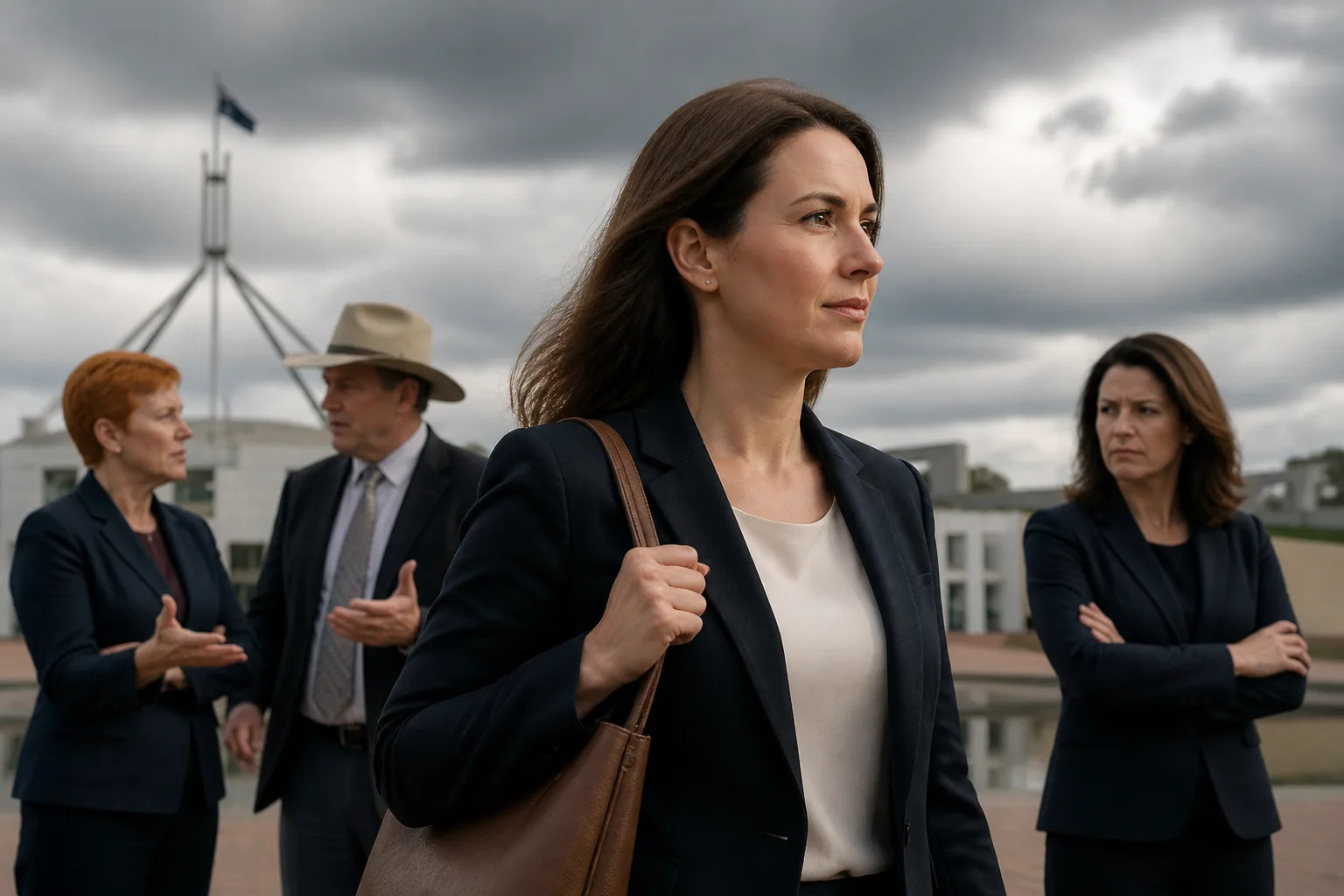
South Australian Liberal senator Leah Blyth has quit the party to join One Nation, a move that hands Pauline Hanson’s party its fifth Senate seat and deepens the sense of disorder around the Coalition’s federal ranks. Blyth becomes One Nation’s first federal senator from South Australia, after entering parliament only in February 2025 to fill the vacancy left by Simon Birmingham.
Her defection matters because it lands at a time when the Coalition is already under pressure to present itself as a credible alternative government. Instead, it now has to answer for a public break from one of its own senators, a development that also feeds debate about climate policy, energy costs and who gets to define the conservative vote.
A break that had been building for months
Blyth’s move did not come out of nowhere. Sources close to the matter say she had fallen out with South Australian Liberal president and conservative powerbroker Alex Antic, leaving her unlikely to secure a winnable spot on the party’s Senate ticket at the next federal election.
That background gives the defection a sharper edge. If she remained with the Liberals, Blyth would have been headed toward what is widely described as an unwinnable fourth position on the South Australian Senate ticket.
Before leaving, she held a frontbench role in the opposition as spokesperson for stronger families and stronger communities, and she also served as shadow assistant minister for defence infrastructure. She was previously president of the South Australian Liberal Party.
One Nation seizes a strategic gain
Hanson moved quickly to frame Blyth’s arrival as a sign that One Nation is becoming a home for voters who feel abandoned by the major parties. In a video posted on Wednesday, Hanson appeared cooking a steak sandwich, echoing the way she marked Barnaby Joyce’s decision to join the party last year.
Hanson has said Blyth approached her of her own accord. She said she had never approached Blyth, or any other member of parliament, to cross the floor and join One Nation.
The party leader also said Blyth felt frustrated and believed she could not see the Liberals under Angus Taylor turning around the economy. Blyth herself said the Albanese government was running the country into the ground, but that she could no longer in good conscience tell Australians the Liberal Party could save it.
In her statement, she said Australia was worth fighting for and said she was joining Hanson’s team to fight for that future. Hanson later said Blyth’s decision would resonate with Australians who had backed the Liberals for years but felt the party had abandoned them.
Coalition figures push back hard
The response from the Coalition was immediate and unsparing. Nationals leader Matt Canavan said the move smacked of self-interest and accused One Nation of picking off members from other parties.
Canavan said voters were entitled to feel let down when someone elected on one ticket changes parties after the election. He also said it had not been a happy time in the Coalition.
Liberal deputy leader Jane Hume called the defection a surprise and said Blyth had never raised such concerns in the party room. Hume also said Blyth was not a big contributor to the party room and argued the move was her decision, not proof of a wider internal split.
Labor frontbencher Pat Conroy took a harsher line, calling the defection remarkable and saying it showed the Coalition was eating itself alive.
Why the defection matters beyond one seat
The numbers are what make the story politically sensitive. With Blyth’s arrival, One Nation now has five senators. The party has also been steadily building a broader federal presence, with Barnaby Joyce already having joined after leaving the Nationals last year.
That matters for the Coalition because the defections point to a party system in which conservative voters are being pulled in different directions. One Nation is pitching hard on immigration, energy prices and government spending, themes Blyth echoed when she said Australians wanted immigration brought under control, affordable energy and less waste.
At the same time, the Coalition is trying to sell itself as the responsible vehicle for government. Every public break like Blyth’s makes that case harder, especially when the departure comes from a senator who had been given frontbench responsibility and had once led her state party.
- Blyth was appointed to the Senate in February 2025 after Simon Birmingham retired.
- She said she could no longer say the Liberal Party could save the country.
- One Nation now holds five Senate seats.
- Her defection is the second by a Coalition figure after Barnaby Joyce joined One Nation last year.
- Coalition figures said the move was disappointing, surprising or self-interested.
The timing also adds to the impact. Blyth’s move came on the last parliamentary sitting day of the year, giving it maximum political exposure and leaving the Coalition to absorb the fallout as it heads into another election cycle still trying to sort out its internal discipline and public message.
Sources
linkedin.com
linkedin.com
linkedin.com
linkedin.com
linkedin.com
dailytelegraph.com.au
Frequently asked questions
What does Leah Blyth’s defection change for One Nation?
It gives One Nation its fifth Senate seat. Blyth also becomes the party’s first federal senator from South Australia.
Why did Leah Blyth say she left the Liberal Party?
Blyth said she could no longer in good conscience tell Australians the Liberal Party could save the country. She said she was joining Pauline Hanson’s team to fight for Australia’s future.
What were the main reactions from Coalition figures?
Nationals leader Matt Canavan called the move self-interested, while Liberal deputy leader Jane Hume said it was a surprise and not evidence of a wider internal split. Labor frontbencher Pat Conroy said it showed the Coalition was eating itself alive.
When did Leah Blyth enter parliament?
She entered parliament in February 2025 to fill the vacancy left by Simon Birmingham. The article says she was appointed to the Senate after his retirement.
What tensions had been building before Blyth left the Liberals?
Sources close to the matter said she had fallen out with South Australian Liberal president Alex Antic. The article says that left her unlikely to secure a winnable spot on the party’s Senate ticket.
Related
Influencer reception at No 10 sparks backlash, after viral video is deleted
Downing Street’s effort to court online creators has run into a row over what was filmed outside Number 10, who provided the equipment and whether the government is treating the famous black door like a stage set.

The Gambia heads to the polls with jobs, prices and justice still unresolved
Adama Barrow is seeking a third term after breaking his promise to serve only one, while voters weigh power cuts, unemployment and the unfinished business of reform.

From Pegasus to drones, India and Israel's security ties run far beyond Modi
Israeli spyware, drone factories, arms contracts and phone-hacking technology show a relationship built over years by governments, firms and security agencies, not just one prime minister.

Timms review sets PIP on a new course, but who could lose out is still the key question
The government’s disability benefit review is expected to shift Personal Independence Payment toward a model built around real-world costs and needs, with faster decisions for some claimants and fresh uncertainty for others.

No comments yet
Be the first to comment.
Join the conversation