China backs U.S.-Iran deal, presses for swift reopening of Strait of Hormuz
Beijing has welcomed the reported U.S.-Iran understanding and urged that the Strait of Hormuz reopen quickly for shipping. The comments reflect China’s concern for a waterway that carries a huge share of global energy trade.

NewX Editorial · Editorial Desk NewX uses AI tools to help research, draft and translate stories. Read our Editorial Policy →
Published:
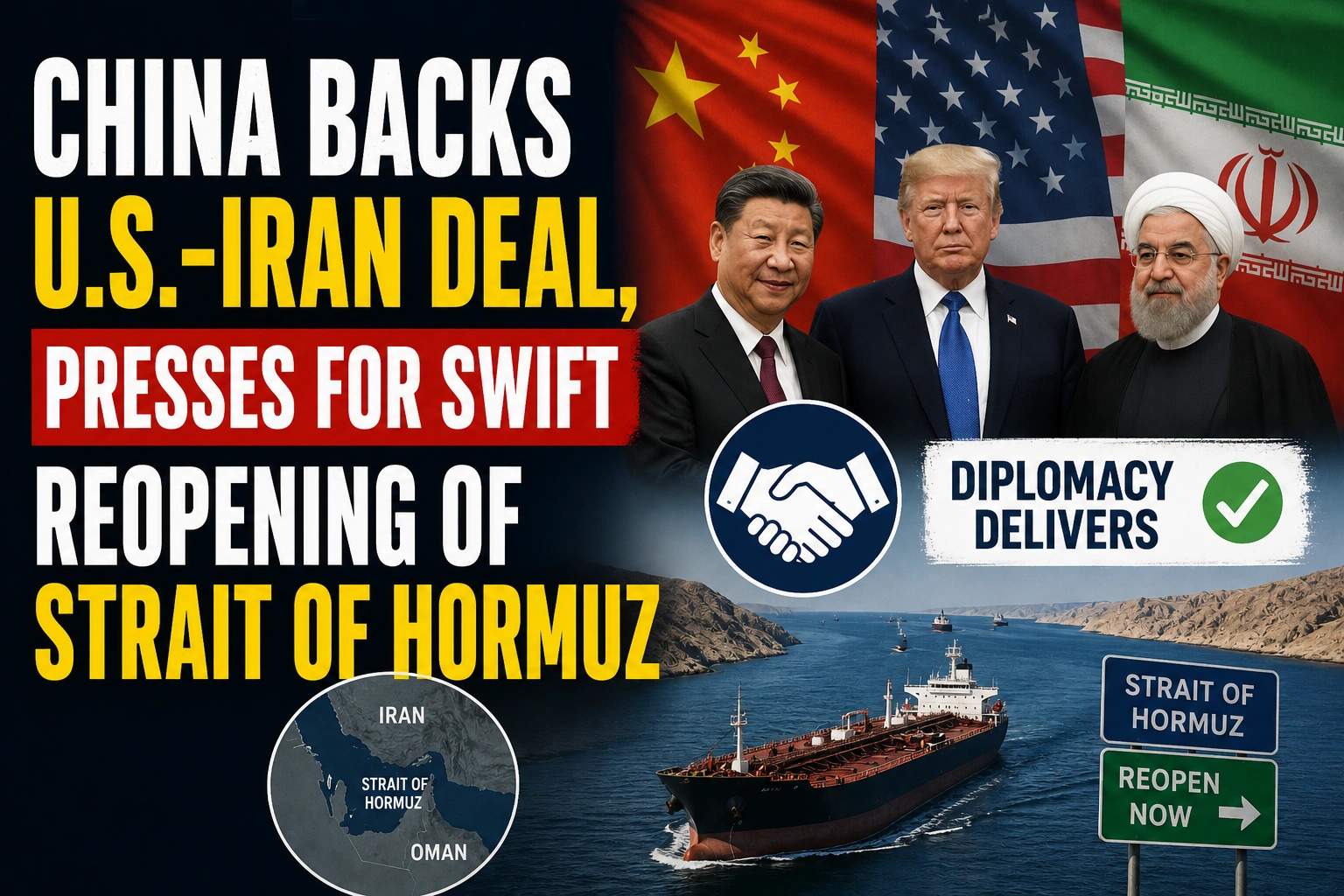
China on Monday welcomed the reported U.S.-Iran understanding aimed at ending the fighting in West Asia and urged that the Strait of Hormuz reopen for international shipping as soon as possible. The statement matters because the narrow waterway is one of the world’s most sensitive energy routes, and any disruption ripples far beyond the Gulf.
Beijing signals support for the deal
Chinese foreign ministry spokesperson Lin Jian told a regular briefing in Beijing that China hopes the United States and Iran will sign the first phase of their memorandum of understanding on schedule. He said Beijing appreciates Pakistan’s mediation efforts and wants the parties to stick with the plan.
Lin said China is ready to work with the wider international community to help restore peace and stability in West Asia and the Gulf region. His remarks show how closely Beijing is watching the negotiations, even though it is not one of the direct parties.
Strait of Hormuz stays at the centre of the talks
Lin also focused on the Strait of Hormuz, a choke point for oil and gas shipments that links Gulf producers to markets in Asia, Europe and beyond. He said the waterway’s stability serves the interests of regional countries and the broader international community.
According to Lin, opening the strait is part of the U.S.-Iran understanding. China wants it reopened for shipping quickly and said it will stay in touch with the relevant parties.
The message reflects a basic economic reality: when traffic through Hormuz is threatened, energy prices and shipping routes come under pressure almost immediately. China, as one of the world’s biggest energy importers, has a direct stake in keeping the route open.
Pakistan, Qatar and the push for a ceasefire
The reported deal was negotiated through mediators including Pakistan and Qatar. Pakistan Prime Minister Shehbaz Sharif said the peace agreement is scheduled to be signed in Switzerland on June 19.
Donald Trump said on Sunday evening that the deal with Iran was complete, writing on Truth Social that it marked the end of a 107-day war. His announcement calmed markets that had been rattled by the conflict.
What China is watching
China’s response is more than routine diplomacy. Beijing has worked to present itself as a backer of talks and ceasefires in the Middle East, while also protecting its own trade and energy interests.
- China wants the Strait of Hormuz reopened quickly for international shipping.
- Beijing publicly endorsed the mediation role of Pakistan.
- The deal is expected to be signed on June 19 in Switzerland, according to Pakistan’s prime minister.
- The agreement follows a 107-day war that had shaken global energy markets.
For Beijing, the next test is whether the agreement holds and whether ships can move through Hormuz without fresh interruptions. That will decide whether the region gets a brief pause or a lasting shift away from war footing.
Sources
Frequently asked questions
What did China say about the reported U.S.-Iran understanding?
China welcomed the reported understanding aimed at ending the fighting in West Asia. It urged that the Strait of Hormuz reopen for international shipping as soon as possible.
Why is the Strait of Hormuz important in this story?
The Strait of Hormuz is described as a choke point for oil and gas shipments linking Gulf producers to markets in Asia, Europe and beyond. The article says disruptions there can quickly pressure energy prices and shipping routes.
What did Lin Jian say China wants the parties to do?
Lin Jian said China hopes the United States and Iran will sign the first phase of their memorandum of understanding on schedule. He also said Beijing wants the parties to stick with the plan.
Who helped mediate the reported deal?
The deal was negotiated through mediators including Pakistan and Qatar. China publicly endorsed Pakistan’s mediation role.
When is the peace agreement expected to be signed?
Pakistan Prime Minister Shehbaz Sharif said the peace agreement is scheduled to be signed in Switzerland on June 19. The article says this is the expected signing date.
Related
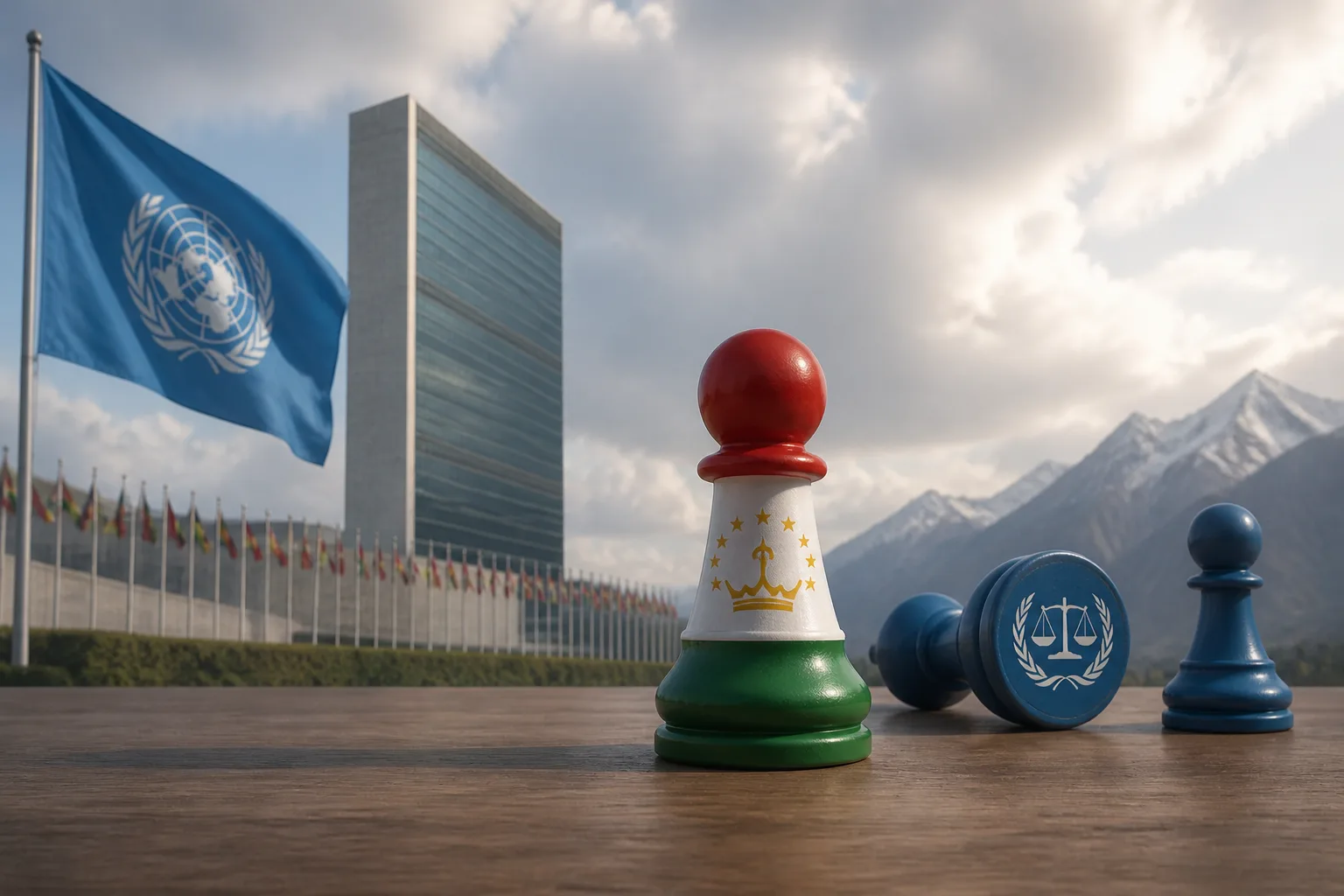
Tajikistan moves to quit the ICC as pressure on the court deepens
Dushanbe has notified the United Nations that it will leave the Rome Statute, joining a string of departures that have piled pressure on the International Criminal Court and raised fresh questions about its future.
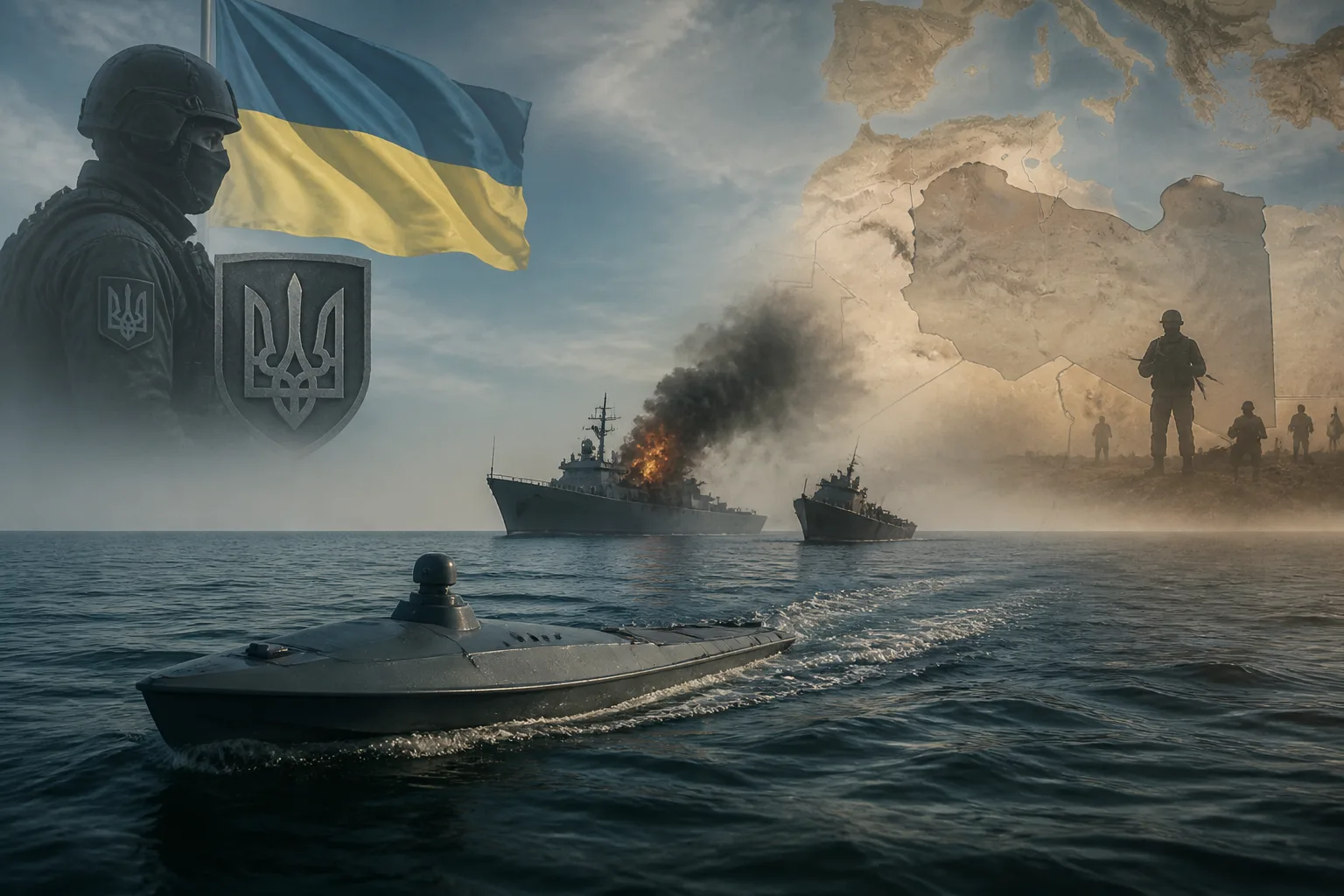
Ukraine Says It Sank Russian Warship Off Libya, Opening a New Front in the Maritime War
Kyiv says seven naval drones hit the Merkury near Benghazi, a strike that Libya says damaged the vessel and triggered a fire as investigators assess the fallout far from the Black Sea.
Shekhawat urges SCO nations to turn shared heritage into trust at new civilisational forum in Delhi
India’s first SCO Civilisational Dialogue Forum opened at Purana Qila with ministers and delegates from across the bloc, while New Delhi used culture to signal that people-to-people contact can still move forward even when politics remains tense.

Russian missiles and drone crash into Poland as Ukraine endures major strike
Poland says three Russian objects crossed its airspace during a barrage on Ukraine, calling it an intentional provocation. The incident sharpened fears that Moscow’s war is spilling deeper into Nato territory.

No comments yet
Be the first to comment.
Join the conversation