Burnham rules out early election as Labour succession fight sharpens
Andy Burnham says he will not call a snap general election, even as he prepares for the fastest route into No 10 and rivals test whether Labour can hand him power without a full contest.

NewX Editorial · Editorial Desk NewX uses AI tools to help research, draft and translate stories. Read our Editorial Policy →
Published:

Andy Burnham has moved to head off one of the first demands likely to follow him into Downing Street, saying he will not call an early general election if he becomes prime minister. The pledge matters because Burnham is on course to take office through Labour’s internal succession rules, not a fresh national vote, and the question of democratic mandate is already becoming the central attack line against him.
A leadership race with a short fuse
Labour’s ruling body has set out a timetable that could put Burnham in No 10 by 17 July if nobody else clears the nomination threshold. If another candidate gets enough MP backing, the contest moves to a members’ ballot in August, with the result due on 29 August.
The key dates are tight. Nominations open on 9 July and close on 16 July. If Burnham is unopposed, a special conference would confirm him the next day and he would then be formally appointed by the King.
That compressed process has sharpened the stakes inside Labour. Senior MPs are weighing whether to stand, partly to stop Burnham reaching the top job without a proper contest.
- Nominations: 9 July to 16 July
- Unopposed outcome: special conference on 17 July
- If contested: members’ ballot from 6 to 27 August
- Final result, if needed: 29 August
The question of mandate
Burnham has already said he would not call an early general election, a position that will please Labour figures who want to avoid months of campaigning, but will intensify criticism from opponents who say a new prime minister should seek a public mandate. The debate has surfaced quickly because Burnham is widely seen as the person most likely to replace Sir Keir Starmer after his resignation.
That perception has only grown since Burnham confirmed he would enter the leadership race on the morning Starmer stepped down. He has also said the transition should be handled in an orderly and responsible way.
For Labour, the problem is obvious. A leader who arrives through the party’s internal machinery can claim procedure, but not necessarily the kind of national endorsement that comes with a general election. Burnham’s refusal to promise one leaves that tension exposed.
Rivals move to box him in
Conservative leader Kemi Badenoch has seized on that gap. She has accused Burnham of avoiding proper scrutiny and has urged him to come out from behind online formats and face tougher questioning in public.
Her attacks have become more personal as the succession battle has gathered pace. She mocked him in the Commons this week and later said he should do better than appearing on Reddit if he wants to show he is open to challenge.
Burnham has not stayed silent. He responded to one of Badenoch’s jabs in a video message, turning the exchange into a brief piece of political theatre. But the wider point remains serious. As Burnham edges toward the premiership, his opponents are trying to define him before he can define himself.
Why the timing matters
The leadership contest is unfolding against a backdrop of wider unease about how a new prime minister would govern without a fresh election. Some MPs believe Burnham could reach office as soon as 17 July, before parliament returns after the summer, if he is the only candidate to secure the required support.
Others are pushing back against that prospect. At least two senior Labour MPs are considering bids of their own, including former defence minister Al Carns and Sir Keir Starmer’s chief secretary, Darren Jones, who has not ruled out running.
That possibility alone changes the calculation. If there is a contest, Burnham’s path slows down and his opponents get more time to challenge his authority, his record and his plans. If there is no contest, he takes office quickly, but under a cloud of arguments about legitimacy that will not disappear on 17 July.
Burnham’s preparations have also moved online. He has taken part in interviews and is due to face an “Ask Me Anything” session with Reddit users, while his supporters argue that he is trying to engage directly with voters. Critics see something else: a politician seeking the benefits of visibility without the risks of a full press conference.
That charge will hang around him as the timetable runs down. The speed of Labour’s process means the party could have a new prime minister within days. It also means Burnham will have very little time to settle the argument over whether he is inheriting power, or earning it.
Sources
commonslibrary.parliament.uk
en.wikipedia.org
instituteforgovernment.org.uk
facebook.com
the-independent.com
observer.co.uk
global.morningstar.com
Frequently asked questions
Why is Burnham’s no early election pledge significant?
He is on course to take office through Labour’s internal succession rules rather than a fresh national vote. That makes the question of democratic mandate a central attack line against him.
When could Burnham become prime minister?
If nobody else clears the nomination threshold, Labour’s ruling body says he could be in No 10 by 17 July. If he is unopposed, a special conference would confirm him on 17 July and he would then be formally appointed by the King.
What happens if another candidate gets enough support?
The contest would move to a members’ ballot in August. The result would be due on 29 August.
Who has criticised Burnham during the succession fight?
Conservative leader Kemi Badenoch has accused him of avoiding proper scrutiny. She has urged him to face tougher questioning in public rather than online formats.
Which Labour figures are considering standing against him?
At least two senior Labour MPs are considering bids of their own, including former defence minister Al Carns and Sir Keir Starmer’s chief secretary, Darren Jones. Jones has not ruled out running.
Related
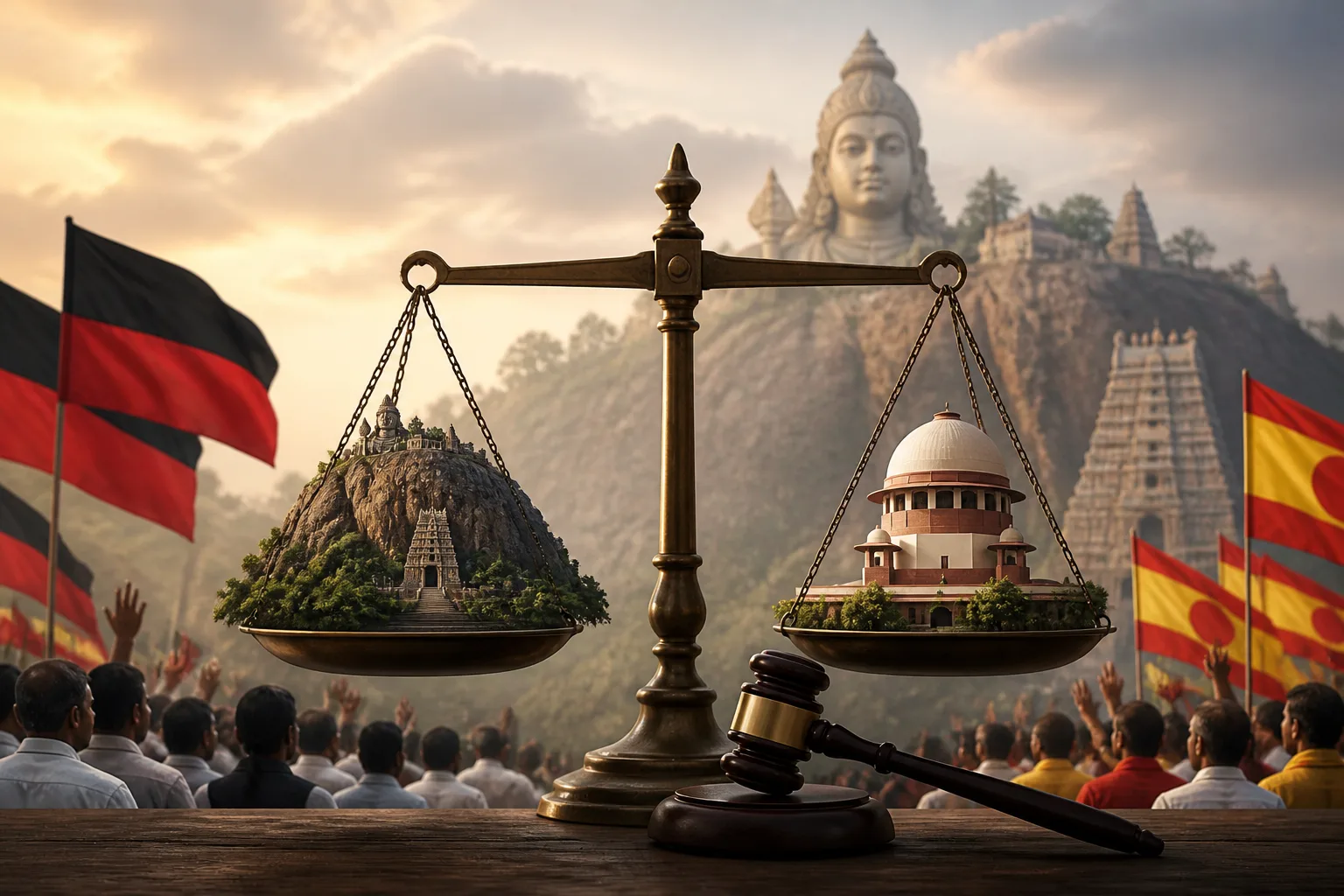
Stalin attacks Vijay government over Thirupparankundram order, says it endangers tradition, harmony and state rights
The row over the Thirupparankundram Deepathoon has moved from a temple dispute to a political flashpoint, with M. K. Stalin accusing Chief Minister Vijay's government of mishandling a sensitive issue and opponents warning the state is ignoring court directions.
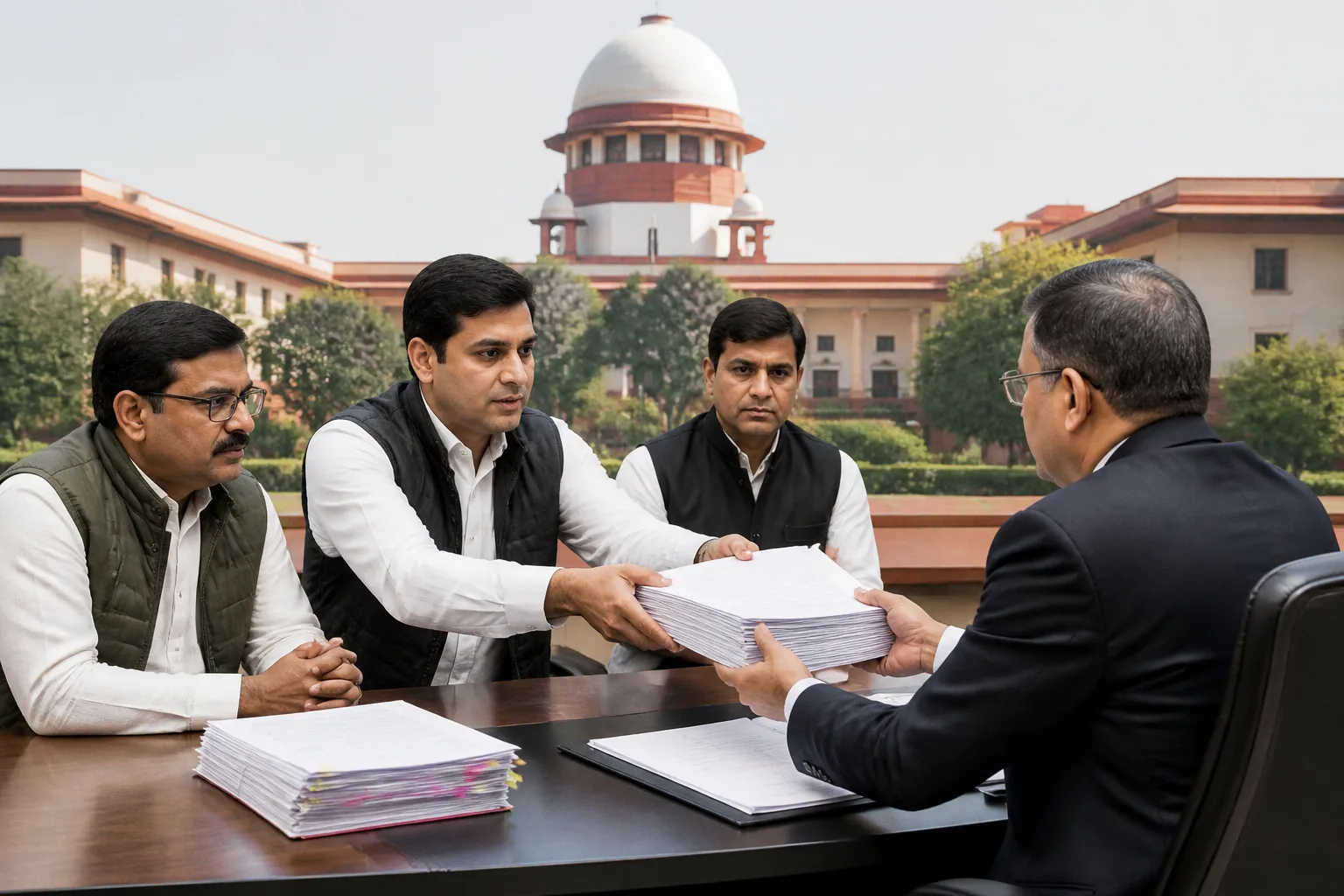
Delhi Congress urges election body to extend SIR deadline as lakhs of voters seek reinstatement
With the claims and objections window closing on November 25, Delhi’s Congress unit is pressing for more time as the city’s special roll revision leaves hundreds of thousands still outside the draft list.
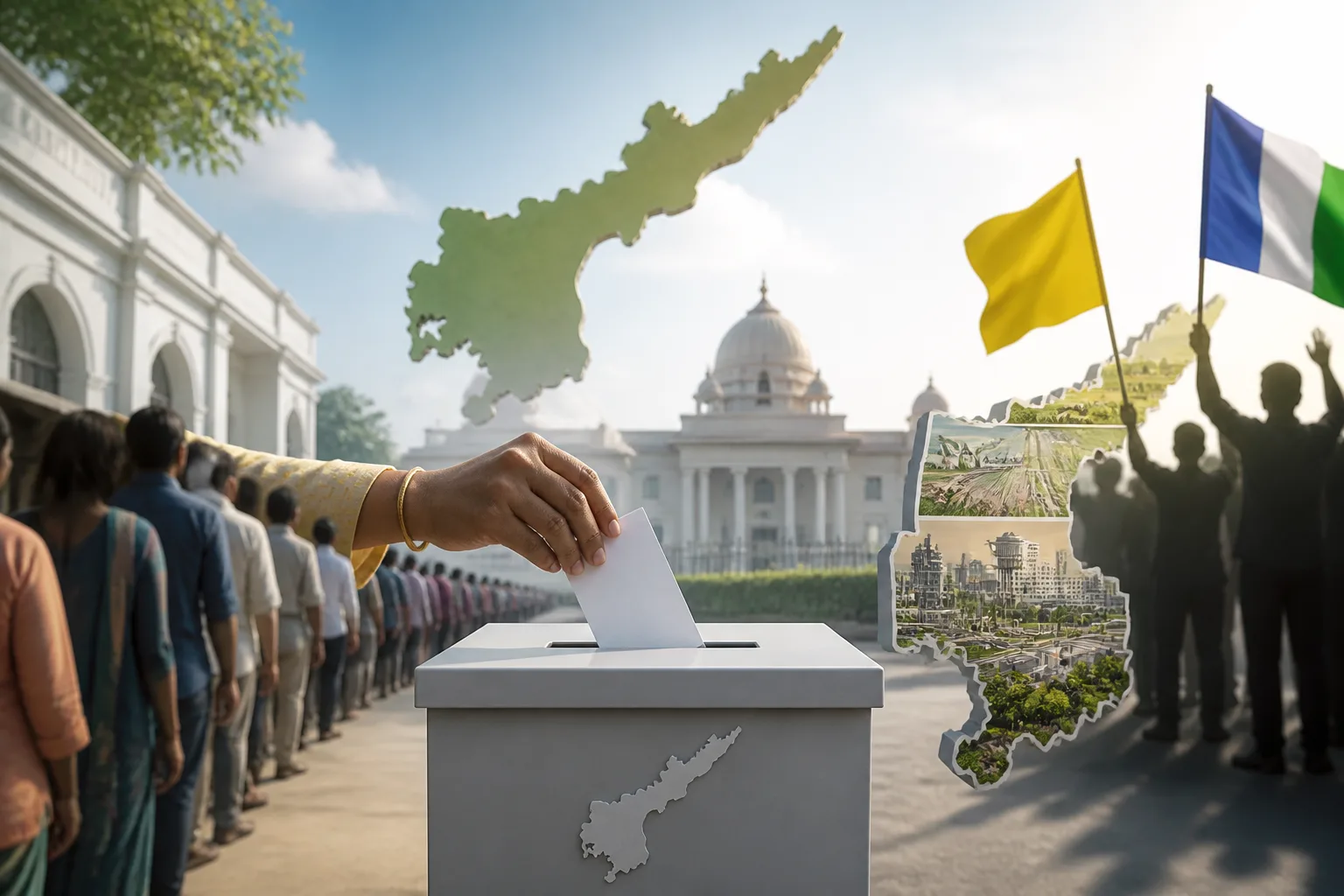
Andhra Pradesh’s 23 Urban Local Bodies Vote Again, With Turnout and Control of Town Halls at Stake
Polling on November 26 will decide 23 urban local bodies across Andhra Pradesh, with the TDP-led alliance looking to extend its recent sweep and the YSRCP trying to recover ground in a set of local contests shaped by higher turnout expectations, unopposed wins and closely watched civic strongholds.
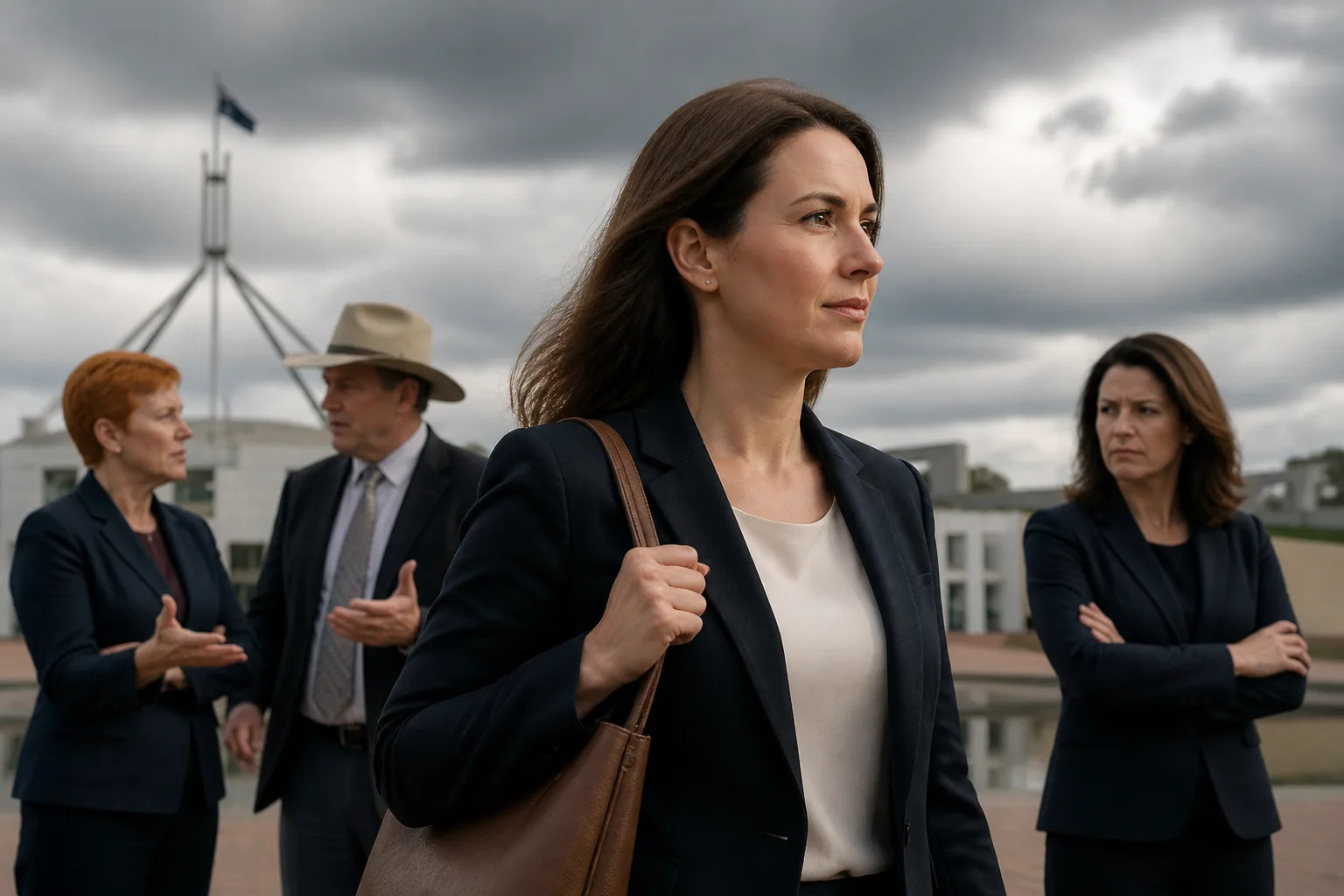
Leah Blyth’s defection to One Nation exposes Coalition strains over discipline and direction
The South Australian senator’s move gives Pauline Hanson five senators and raises fresh questions about how the Coalition manages internal loyalty, election tickets and its message on energy and the economy.
No comments yet
Be the first to comment.
Join the conversation