Cockroach Janta Party founder returns to Jantar Mantar, turns paper leak anger into a wider student push
Abhijeet Dipke is using Delhi’s Jantar Mantar to press for Education Minister Dharmendra Pradhan’s resignation, while also widening the campaign to compensation, re-exams and student deaths linked to exam controversies.

NewX Editorial · Editorial Desk NewX uses AI tools to help research, draft and translate stories. Read our Editorial Policy →
Published:

Abhijeet Dipke, founder of the Cockroach Janta Party, has turned a protest over the NEET-UG 2026 paper leak into a broader challenge to the government’s handling of exam failures. He returned to Delhi’s Jantar Mantar on June 6 to demand Education Minister Dharmendra Pradhan’s resignation, and by late June had pushed the issue further, asking for compensation for families of students who died by suicide and warning that the agitation would continue.
From a satirical movement to a street protest
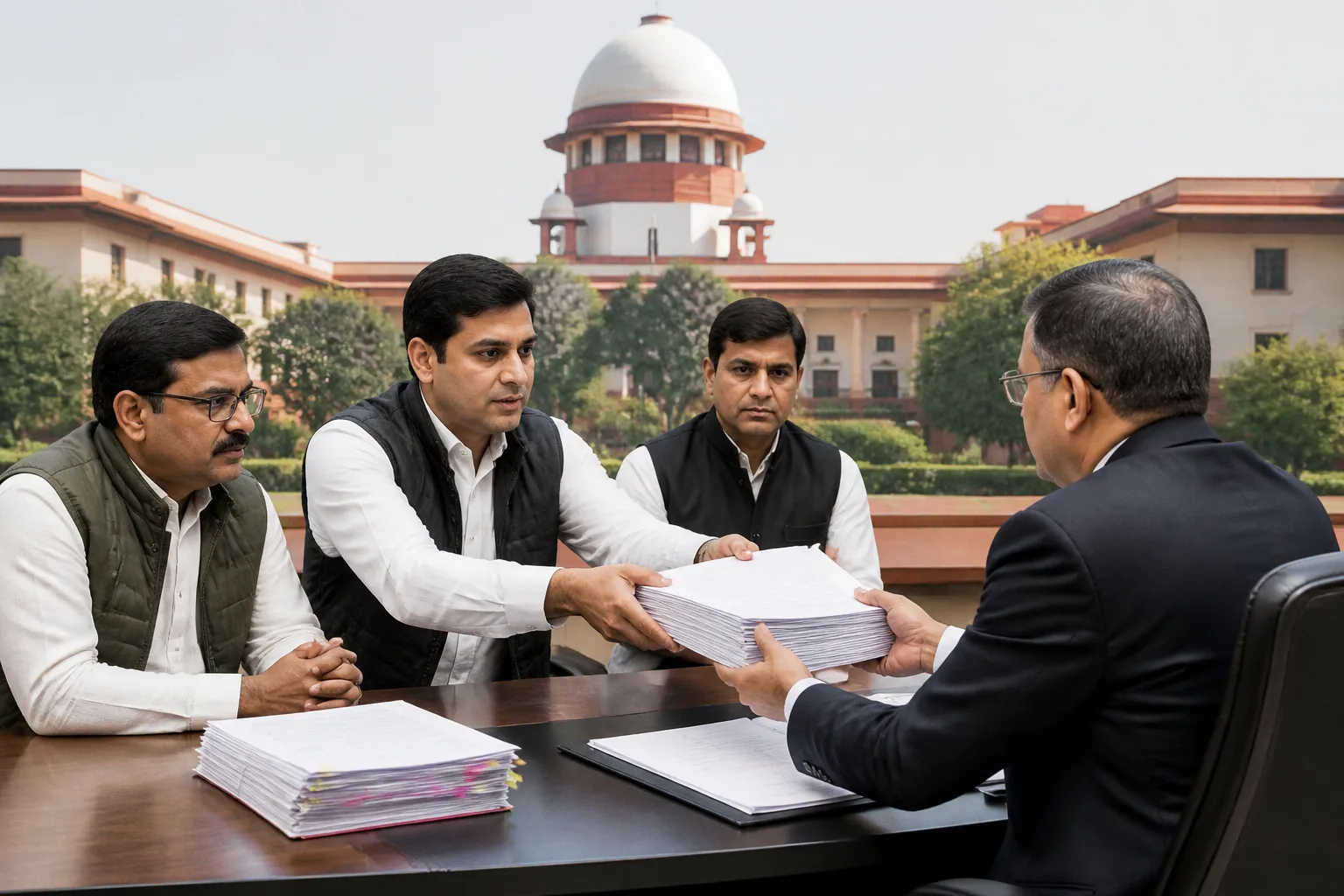
The Cockroach Janta Party first emerged as a digital, Gen Z-led satire project, but its protest at Jantar Mantar showed that it was trying to move from online symbolism to public pressure. Dipke led the march in Delhi after flying in from the United States, and he said the demonstration would stay peaceful.
Supporters gathered in large numbers at Jantar Mantar with cockroach masks, pamphlets and placards. They demanded accountability over the NEET-UG 2026 paper leak and also raised concerns about irregularities in the Central Board of Secondary Education’s on-screen marking system.
Police allowed the protest after granting permission for a peaceful sit-in. Officers in riot gear watched the crowd closely as the slogans continued through the day.
What the protesters want
The central demand has stayed the same: Pradhan should resign. Dipke and his supporters say the education ministry must answer for paper leaks, technical glitches and the uncertainty faced by students preparing for major exams and recruitment tests.
In Delhi, one medical aspirant, Utkarsh Raj, said protesters wanted accountability from the government and questioned how exam papers keep getting leaked in the country. The anger at Jantar Mantar was not framed as a one-off burst of outrage. It was presented as a response to a pattern of failures.
Dipke later broadened the demand by appealing to Prime Minister Narendra Modi for ₹1 crore compensation for families of students who allegedly died by suicide amid the paper leak crisis. In that letter, he also repeated the call to sack the education minister and said the government needed to show it would take responsibility.
- June 6 protest took place at Jantar Mantar in New Delhi
- Demand: resignation of Education Minister Dharmendra Pradhan
- Later appeal: ₹1 crore compensation for affected families
- Related issues cited: NEET-UG paper leak, CBSE on-screen marking, recruitment test irregularities
A protest that keeps expanding
Dipke did not stop at Delhi. After the June 6 gathering, he warned that if Pradhan did not resign by June 13, the movement would expand into protests in different states and cities. On June 11, he announced a Pune protest as the next stop.
He also insisted that the campaign would remain peaceful and should not be compared with unrest in Nepal and Bangladesh. That line matters because Dipke has tried to present CJP as a youth movement with its own identity, separate from formal party politics.
The message, though, has sharpened. Dipke has argued that the education crisis is hurting millions of young people and weakening trust in the system. On social media, he has linked the paper leak row to a wider mental health burden, saying the uncertainty around exams has deepened despair among students and parents.
Why Jantar Mantar matters
Jantar Mantar has long been one of Delhi’s most visible protest sites, a place where groups go to make an argument in public view and force the issue into national conversation. For CJP, it has become the stage on which a joke has been converted into a political weapon.
That shift gives the movement its weight. What started as a satirical name is now being used to hold the education ministry to account over a controversy that has spread well beyond one exam. The focus has moved from a single protest day to a campaign built around deadlines, compensation demands and the threat of more demonstrations.
By returning to Jantar Mantar and keeping the pressure alive, Dipke has made the protest about more than a resignation call. He is trying to turn student anger over paper leaks into a sustained test of how the government responds when the system itself is accused of failing the young.
Sources
Frequently asked questions
Who founded the Cockroach Janta Party?
Abhijeet Dipke founded the Cockroach Janta Party. He led the protest in Delhi after flying in from the United States.
What was the main demand at the Jantar Mantar protest?
The central demand was that Education Minister Dharmendra Pradhan should resign. Protesters said the education ministry must answer for paper leaks, technical glitches and exam uncertainty.
What other issues did the protesters raise besides the NEET-UG paper leak?
They also raised concerns about irregularities in the Central Board of Secondary Education’s on-screen marking system. The article says they linked the protest to broader exam and recruitment test failures.
What compensation did Dipke later ask for?
Dipke appealed to Prime Minister Narendra Modi for ₹1 crore compensation for families of students who allegedly died by suicide amid the paper leak crisis.
What did Dipke say would happen if Pradhan did not resign?
He warned that if Pradhan did not resign by June 13, the movement would expand into protests in different states and cities. On June 11, he announced a Pune protest as the next stop.
Related
Delhi Congress urges election body to extend SIR deadline as lakhs of voters seek reinstatement
With the claims and objections window closing on November 25, Delhi’s Congress unit is pressing for more time as the city’s special roll revision leaves hundreds of thousands still outside the draft list.
Andhra Pradesh’s 23 Urban Local Bodies Vote Again, With Turnout and Control of Town Halls at Stake
Polling on November 26 will decide 23 urban local bodies across Andhra Pradesh, with the TDP-led alliance looking to extend its recent sweep and the YSRCP trying to recover ground in a set of local contests shaped by higher turnout expectations, unopposed wins and closely watched civic strongholds.
Leah Blyth’s defection to One Nation exposes Coalition strains over discipline and direction
The South Australian senator’s move gives Pauline Hanson five senators and raises fresh questions about how the Coalition manages internal loyalty, election tickets and its message on energy and the economy.

Influencer reception at No 10 sparks backlash, after viral video is deleted
Downing Street’s effort to court online creators has run into a row over what was filmed outside Number 10, who provided the equipment and whether the government is treating the famous black door like a stage set.

No comments yet
Be the first to comment.
Join the conversation